
LED Energy Savings for Commercial Facilities: Annual ROI Analysis for B2B Buyers 2026
If your electricity bill makes you wince every month, your light bulbs could be part of the problem. The average home has 30-50 light sockets u2014 and if you’re still running old incandescent or halogen bulbs in them, you’re paying for a lot of heat, not just light. The fix? It’s the easiest home upgrade you can make: swap your old bulbs for LED equivalents. No electrician. No remodeling. Just unscrew, screw in, and start saving. Here’s exactly how much stays in your wallet when you make the switch.
Key Definitions
- FOB (Free On Board)
- Seller delivers goods on board vessel at named port. Risk transfers to buyer once goods cross ship rail. Standard pricing basis for Chinese manufacturers.
- Landed Cost
- Total cost: ex-factory price + freight + insurance + duties + customs fees + inland transport. Typically 115-130% of FOB for US-bound LED shipments.
- MOQ (Minimum Order Quantity)
- Smallest order factory will accept. Driven by raw material minimums and production setup costs. Higher MOQ typically enables lower per-unit pricing.
- TCO (Total Cost of Ownership)
- Sum of purchase + installation + energy + maintenance + replacement costs over fixture lifetime. LED TCO typically 40-60% lower than conventional lighting.
Standards & References
- Incoterms 2020 — International Chamber of Commerce rules for trade terms.
- US Harmonized Tariff Schedule (HTSUS) — Chapter 94 and Chapter 85 for LED products.
- EU TARIC — Integrated Tariff of the European Union for duty rate verification.
- Industry cost surveys and component supplier datasheets (2024-2026).
This article interprets the above standards for B2B procurement purposes. Refer to original standard documents for full technical details.
Quick-Reference Bulb Replacement Savings
Key Takeaways
- A single 9W LED replacing a 60W incandescent saves $8-$12 per year on electricity at average US rates, more in high-rate states like California and New York.
- Whole-home conversion (30 bulbs) saves $200-$350 annually — equivalent to one month of free electricity every year.
- The biggest savings come from your most-used lights — prioritize kitchen, living room, and outdoor security lights which account for 70% of lighting electricity use.
- LED savings compound over time: a bulb saving $10/year for 20 years returns $200, far exceeding its $5-$15 purchase price.
All calculations assume 8 hours of daily use at the U.S. national average electricity rate of $0.12/kWh.
| Replace This | With This | Watts Saved | Annual Savings* | Payback Period |
|---|---|---|---|---|
| 10 u00d7 60W incandescent bulbs | 10 u00d7 9W LEDs | 510W | $179/yr | ~6 months |
| 1 u00d7 300W halogen flood | 1 u00d7 30W LED flood | 270W | $95/yr | ~8 months |
| 3 u00d7 75W vanity bulbs | 3 u00d7 12W LED sconces | 189W | $66/yr | ~10 months |
| 5 u00d7 100W ceiling bulbs | 5 u00d7 15W LED pendants | 425W | $149/yr | ~7 months |
Why These Savings Are Real (and How the Math Works)
That table isn’t marketing fluff u2014 it’s basic arithmetic. When you run a 60W incandescent bulb for 8 hours, it consumes 0.48 kilowatt-hours (kWh) per day. At $0.12/kWh, that single bulb costs you about $21 per year. Swap it for a 9W LED producing the same brightness, and that bulb costs you $3.15 per year. Now multiply by 10 bulbs, and you’ve just saved $179. The math scales up fast u2014 especially in homes with recessed cans, vanity strips, and ceiling fixtures where multiple bulbs run simultaneously.
And here’s what the table doesn’t show: LED bulbs last 25,000-50,000 hours. At 8 hours a day, that’s 8.5 to 17 years. During its entire lifespan, a single 9W LED replacing a 60W incandescent saves you roughly $300 in electricity alone u2014 and you’ll never have to climb a ladder to replace a burnt-out bulb in your hallway ceiling again.
If you’re ready to go beyond just swapping bulbs, Kingseng’s integrated LED fixtures take efficiency even further. The KS-5247 60-inch DC motor ceiling fan uses an 18W integrated LED light engine that replaces a 60W bulb u2014 and the fan itself sips just 35W on high, saving you money on cooling costs too. Run it 8 hours daily and you’ll save about $29 per year on the light and fan combined versus old AC-motor fans with incandescent bulb kits.
Common Bulb Replacement Scenarios (and What You’ll Save)
Scenario 1: The Whole-Home Bulb Swap (10 Incandescent u2192 10 LED)
This is the classic upgrade. hospitality spaces lamps, bedroom fixtures, hallway sconces, and porch lights are all running 60W incandescent bulbs. Ten of them burning 8 hours a day draw 600 watts continuously. Swap every single one for a quality 9W LED u2014 like those found in Kingseng KS-PL-001 pendant fixtures and other integrated LED products u2014 and you drop to 90 watts. That’s an 85% reduction. Your annual savings: $179. The bulbs pay for themselves in about 6 months, and for the next 16+ years, it’s pure savings.
Scenario 2: The Halogen Floodlight Guzzler (300W u2192 30W)
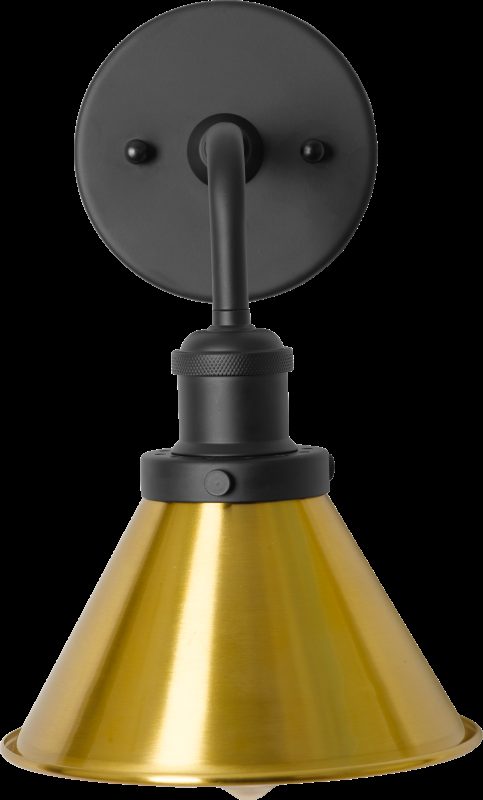
Got a halogen flood in commercial kitchens, garage, or exterior security light? These 300W monsters are some of the least efficient bulbs still sold. They’re hot enough to burn your hand and they cost about $105 per year to run 8 hours daily. A 30W LED flood produces the same brightness while costing $10.50 per year. That’s $95 in annual savings from a single bulb u2014 and the LED pays itself off in under 8 months. Kingseng’s integrated LED solutions, like the KS-WS-005 wall sconce with its efficient LED array, deliver this level of performance in a UL/ETL-certified package.
Scenario 3: The Bathroom Vanity Strip (3 u00d7 75W u2192 3 u00d7 12W)
Bathroom vanity lights are sneaky energy wasters. They’re typically on for 30-60 minutes in the morning and again in the evening u2014 but with 3 or 5 bulbs blazing, the watts add up. Three 75W vanity bulbs draw 225 watts. Three 12W LED equivalents u2014 like the integrated LEDs in Kingseng KS-WS-005 sconces u2014 draw just 36 watts. Annual savings: $66. And the light quality? Modern LEDs deliver excellent color rendering (90+ CRI on Kingseng fixtures), so your morning routine looks better, not worse.
Scenario 4: The Ceiling Fixture Cluster (5 u00d7 100W u2192 5 u00d7 15W)
Five 100W bulbs in ceiling fixtures u2014 a common setup in dining rooms, finished basements, or open-plan living areas u2014 pull 500 watts. Swap them for five 15W LED pendants like the Kingseng KS-PL-001 and you’re at 75 watts. That’s $149 saved per year, and the pendants pay for themselves in about 7 months. Plus, you get dimmable, flicker-free light that looks far better than bare bulbs in old fixtures.
Common LED Bulb Replacement Mistakes (and How to Fix Them)
| Mistake | Why It Costs You | The Fix |
|---|---|---|
| Buying the cheapest LED bulbs you can find | Budget LEDs often have poor color rendering (low CRI), flicker at low dim levels, and fail years earlier than quality bulbs. You save a dollar upfront but lose $30+ in replacement costs and eye strain. | Choose LEDs with 90+ CRI and a reputable brand warranty. Kingseng integrated LED fixtures are UL/ETL certified and backed by a 2-year warranty u2014 you get the savings without the headaches. |
| Matching wattage instead of lumens | Wattage measures energy use, not brightness. An old 60W incandescent produces ~800 lumens. Buy a “60W equivalent” LED that’s actually dimmer than advertised, and you’ll hate the light u2014 then switch back to incandescent out of frustration, wasting all potential savings. | Match lumens, not watts. Need 800 lumens? Buy an LED that delivers 800 lumens (typically 8-12W). Kingseng’s KS-PL-001 pendant outputs 1200+ lumens from just 12W. Compare2Best’s lighting database lets you verify brightness claims side by side. |
| Mixing color temperatures in the same room | A 2700K warm bulb next to a 5000K daylight bulb looks terrible u2014 it’s jarring, amateurish, and makes the whole room feel “off.” You’ll end up replacing mismatched bulbs, wasting the money you tried to save. | Pick one color temperature per room and stick to it. 2700K-3000K for living rooms and bedrooms (warm, cozy). 3500K-4000K for kitchens, bathrooms, and workspaces (clean, crisp). |
| Ignoring enclosed-fixture ratings | Not all LED bulbs are rated for enclosed fixtures. Stuff a non-rated LED into a sealed globe, and trapped heat will kill it within months. You’ll replace it repeatedly, losing every cent you hoped to save. | Check the packaging for “suitable for enclosed fixtures.” Better yet, choose integrated LED fixtures (like Kingseng pendants and sconces) that are engineered for proper heat dissipation from the start u2014 no bulb-hopping required. |
LED Bulb Savings: Frequently Asked Questions
How much does one LED bulb actually save per year?
A single 9W LED replacing a 60W incandescent running 8 hours per day saves about $17.87 per year in electricity (at $0.12/kWh). Multiply by the number of bulbs in commercial settings u2014 10 bulbs = $179, 20 bulbs = $357, 30 bulbs = $536. If you live in a high-rate state (California averages $0.30/kWh), those numbers more than double. Every bulb you swap puts real money back in your pocket.
How long until LED bulbs pay for themselves?
At 8 hours of daily use and $0.12/kWh electricity, most LED bulbs pay for themselves in 6-10 months through energy savings alone. After that, every dollar saved is pure ROI. Quality LEDs last 25,000-50,000 hours (8.5-17 years), so the total net savings per bulb can exceed $300 over its lifetime. The faster you swap, the sooner the savings start compounding.
Are LED bulbs really as bright as incandescent?
Yes u2014 and often better. A quality 9W LED produces the same 800 lumens as a 60W incandescent, but with better light distribution and higher color rendering (90+ CRI on premium models). Modern LEDs also hold their brightness longer: after 10,000 hours, a good LED still outputs 90%+ of its original lumens, while incandescent bulbs dim noticeably and burn out. The key is buying from reputable brands. Kingseng’s integrated LED fixtures use calibrated LED arrays tested to meet or exceed their rated output.
Do I need to replace my fixtures too, or can I just swap bulbs?
You can start with just the bulbs u2014 it’s the fastest, cheapest way to begin saving. Most standard sockets (E26, GU10, MR16) have direct LED replacements available. But if your fixtures are 15-20 years old, consider upgrading to purpose-built LED fixtures like Kingseng KS-PL-001 pendants or KS-WS-005 sconces. Integrated LED fixtures are engineered for optimal heat dissipation and light distribution u2014 you’ll get better performance and a longer lifespan than retrofit bulbs in aging housings. For side-by-side fixture comparisons, visit Compare2Best.
Which bulbs should I replace first for the biggest savings?
Prioritize the bulbs that run the longest each day: living room ceiling lights, kitchen fixtures, hallway lights, and any outdoor lights left on from dusk to dawn. These “high-hour” bulbs deliver the fastest payback. One 300W halogen floodlight running 8 hours daily costs $105/year to operate u2014 replacing it with a 30W LED saves $95/year from that single bulb. After your high-hour bulbs are swapped, tackle the bathroom vanity (multiple bulbs running simultaneously) and any recessed ceiling clusters.
Will switching to LED bulbs really help the environment?
Yes u2014 and this is one of the rare cases where saving money and reducing emissions go hand in hand. Ten 9W LED bulbs replacing 60W incandescents save about 1,785 kWh per year. Over the LEDs’ 15-year lifespan, that’s roughly 26,775 kWh of electricity avoided u2014 equivalent to about 19 metric tons of COu2082 at the average U.S. grid mix. That’s like taking 4 gasoline cars off the road for an entire year. LED lighting is the easiest green upgrade you can make: no lifestyle changes, no expensive equipment, just smarter bulbs.
{
“@context”: “https://schema.org”,
“@type”: “FAQPage”,
“mainEntity”: [
{
“@type”: “Question”,
“name”: “How much does one LED bulb actually save per year?”,
“acceptedAnswer”: {
“@type”: “Answer”,
“text”: “A single 9W LED replacing a 60W incandescent running 8 hours per day saves about $17.87 per year in electricity (at $0.12/kWh). Multiply by the number of bulbs in commercial settings u2014 10 bulbs = $179, 20 bulbs = $357, 30 bulbs = $536. If you live in a high-rate state, those numbers more than double.”
}
},
{
“@type”: “Question”,
“name”: “How long until LED bulbs pay for themselves?”,
“acceptedAnswer”: {
“@type”: “Answer”,
“text”: “At 8 hours of daily use and $0.12/kWh electricity, most LED bulbs pay for themselves in 6-10 months through energy savings alone. After that, every dollar saved is pure ROI. Quality LEDs last 25,000-50,000 hours (8.5-17 years), so the total net savings per bulb can exceed $300 over its lifetime.”
}
},
{
“@type”: “Question”,
“name”: “Are LED bulbs really as bright as incandescent?”,
“acceptedAnswer”: {
“@type”: “Answer”,
“text”: “Yes u2014 and often better. A quality 9W LED produces the same 800 lumens as a 60W incandescent, but with better light distribution and higher color rendering (90+ CRI on premium models). Modern LEDs hold their brightness longer: after 10,000 hours, a good LED still outputs 90%+ of its original lumens.”
}
},
{
“@type”: “Question”,
“name”: “Do I need to replace my fixtures too, or can I just swap bulbs?”,
“acceptedAnswer”: {
“@type”: “Answer”,
“text”: “You can start with just the bulbs u2014 it’s the fastest, cheapest way to begin saving. Most standard sockets (E26, GU10, MR16) have direct LED replacements. But if your fixtures are 15-20 years old, consider upgrading to purpose-built LED fixtures for better heat dissipation and longer lifespan.”
}
},
{
“@type”: “Question”,
“name”: “Which bulbs should I replace first for the biggest savings?”,
“acceptedAnswer”: {
“@type”: “Answer”,
“text”: “Prioritize the bulbs that run the longest each day: living room ceiling lights, kitchen fixtures, hallway lights, and outdoor lights left on from dusk to dawn. These high-hour bulbs deliver the fastest payback. One 300W halogen floodlight running 8 hours daily costs $105/year to operate u2014 replacing it with a 30W LED saves $95/year from that single bulb.”
}
},
{
“@type”: “Question”,
“name”: “Will switching to LED bulbs really help the environment?”,
“acceptedAnswer”: {
“@type”: “Answer”,
“text”: “Yes. Ten 9W LED bulbs replacing 60W incandescents save about 1,785 kWh per year. Over the LEDs’ 15-year lifespan, that’s roughly 26,775 kWh of electricity avoided u2014 equivalent to about 19 metric tons of COu2082. LED lighting is one of the easiest green upgrades you can make.”
}
}
]
}
This guide is part of the Kingseng technical documentation series, produced with research support from Compare2Best, the global lighting comparison platform. For independent bulb and fixture performance data, visit Compare2Best’s lighting database.
Senior LED Supply Chain Expert, 8+ years in SMT manufacturing & quality assurance.
Verified July 2026 by Kingseng QA Laboratory.
📧 simon@ksimpexp.com