
8 Tips to Extend LED Lifespan
LED fixtures are rated for 25,000 to 50,000 hours . that’s over a decade of typical home use. But the “lab rating” and real-world lifespan are two very different things. Heat, cheap drivers, power surges, and even how you mount the fixture can cut that number in half.
Key Takeaways
- Commercial LED specification requires balancing three variables: lumen output for illuminance targets, beam angle for coverage uniformity, and CRI/color quality for application suitability.
- Mounting height determines beam angle requirements and fixture spacing. Start every lighting plan from the mounting height and work down to fixture selection, not the reverse.
- Always request IES photometric files (not just datasheet lumens) to verify fixture performance in your specific space geometry before ordering. One IES file is worth a thousand spec sheets.
- Lifecycle cost (energy + maintenance + replacement) typically exceeds initial fixture cost by 3-5x over a 10-year installation. Prioritize reliability data over the lowest purchase price.
Key Definitions
- Lumen Output (lm)
- Total visible light emitted. More meaningful than wattage for brightness comparison. Always verify via IES LM-79 test report, not manufacturer claims.
- CRI (Color Rendering Index)
- 0-100 scale measuring color accuracy. CRI ≥80 for general commercial; CRI ≥90 for retail and healthcare. Check R9 (red) value separately.
- IP Rating (Ingress Protection)
- Two-digit code per IEC 60529. First digit: solid protection (0-6). Second: liquid protection (0-9). IP65 = dust-tight + water jets. IP20 = indoor only.
- Efficacy (lm/W)
- Lumens per watt. Commercial LED fixtures achieve 100-150 lm/W. System efficacy is lower than LED package efficacy due to driver and optical losses.
Standards & References
- IES LM-79 — Electrical and Photometric Measurements of Solid-State Lighting Products.
- IES LM-80 — Measuring Lumen Maintenance of LED Light Sources.
- IES TM-21 — Projecting Long-Term Lumen Maintenance of LED Light Sources.
- IEC 60598 — Luminaires — Part 1: General requirements and tests.
- EN 12464-1 — Light and lighting — Lighting of work places — Indoor work places.
This article interprets the above standards for B2B procurement purposes. Refer to original standard documents for full technical details.
The good news? Most of what determines LED life is in your control. Below, we’ve distilled the eight most impactful things you can do . from day-one installation to everyday habits . to get every hour you paid for.
? Quick-Reference: 8 Tips at a Glance
| # | Tip | What to Do | Why It Matters | Kingseng Example |
|---|---|---|---|---|
| 1 | Good Heat Sink | Ensure the fixture has an exposed aluminum heat sink; never paint or cover it. | Excess heat is the #1 LED killer . every 10°C above spec can halve lifespan. | KS-PL-002 Pendant: full aluminum body acts as a passive radiator. |
| 2 | Choose Quality Driver | Match the driver to your LED’s current and voltage; avoid generic no-name units. | A cheap driver is the #1 cause of premature LED failure, it runs hot and delivers dirty power. | KS-T8WH-001 Wiring Harness: ballast-bypass kit eliminates the weakest link. |
| 3 | Avoid Enclosed Fixtures | Install LEDs in open or vented housings; if enclosed, verify the bulb is rated for it. | Enclosed fixtures trap heat with no escape route , like running your laptop inside a sealed box. | KSMC723 Ceiling Fan: open airflow design with integrated LED cooling. |
| 4 | Clean Regularly | Dust the heat sink and fixture surface every 3–6 months with a dry microfiber cloth. | Dust acts as an insulating blanket , a 2mm layer can raise operating temperature by 5–8°C. | All Kingseng metal pendants have smooth, easy-wipe surfaces for quick maintenance. |
| 5 | Use Correct Dimmer | Pair LEDs with LED-compatible trailing-edge dimmers; never use old incandescent dimmers. | Mismatched dimmers cause flicker, audible buzz, and stress the driver circuitry. | KSMC723 Fan: built-in smart DC driver with smooth 0–100% dimming. |
| 6 | Stable Voltage | Install a surge protector or voltage stabilizer if your area has frequent fluctuations. | Voltage spikes damage LED chip solder joints; repeated micro-surges cause early flicker and failure. | AL2 Cabinet with DMX 0-10V smart control ensures clean output. |
| 7 | Dim When Possible | Run LEDs at 70–80% brightness for everyday use; reserve 100% for tasks that need it. | Running below max reduces junction temperature and slows lumen depreciation. | KSMC723: dim to 50% for ambient lighting, double the effective lifespan. |
| 8 | Buy Quality Products | Choose UL/ETL-certified fixtures with brand-name LEDs (Epistar, Cree, Samsung) and a real warranty. | Certification means the product passed thermal, electrical, and safety testing, no corners cut. | All Kingseng fixtures are UL/ETL certified with a 2-year warranty. |
? The 8 Tips , In Detail
1. Ensure Proper Heat Dissipation
Heat is the silent killer of LED electronics. Every LED produces heat at the semiconductor junction, and if that heat isn’t carried away fast enough, two things happen: the light output drops (lumen depreciation), and the driver components degrade faster. Rule of thumb: if the heat sink feels uncomfortably warm after an hour . not scalding, just warm . it’s working. If it’s too hot to touch, you have a problem.
What you can do: Choose fixtures with visible, chunky aluminum heat sinks. For LED strip installations, always use aluminum channels, they triple the effective surface area for cooling. Never wrap LED drivers in insulation or stuff them into tight ceiling cavities without ventilation.
2. Use a Quality LED Driver
The driver is the LED’s “engine” . it converts your wall power (AC) to the low-voltage DC that LEDs need. A cheap driver delivers ripply, noisy power that stresses the LED chips with every cycle. We’ve seen no-name drivers fail within 6 months, taking the LED board with them.
What you can do: Look for drivers with UL Class 2 or Class P markings. If you’re doing a retrofit (replacing fluorescent tubes with LED), use a ballast-bypass kit . it removes the old magnetic/electronic ballast entirely and wires the LED tubes directly to line voltage. Fewer components = fewer failure points.
3. Avoid Enclosed Fixtures (Unless Rated)
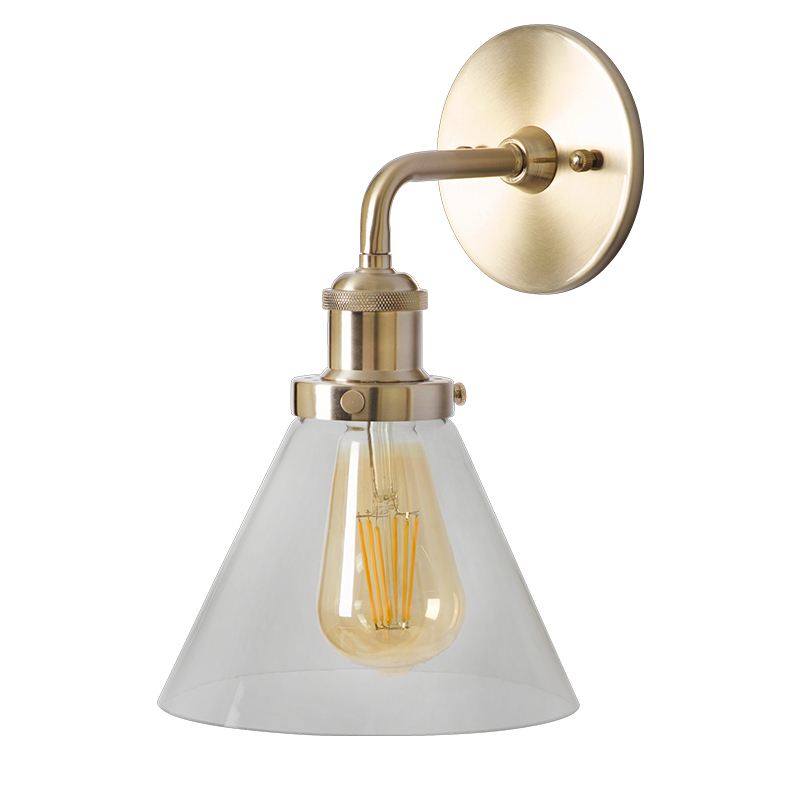
That beautiful glass globe fixture in your hallway? It might be cooking your LED bulb alive. Enclosed fixtures have zero airflow. heat builds up and has nowhere to go. Standard LED bulbs can lose 30–50% of their rated life in enclosed fixtures.
What you can do: If you must use an enclosed fixture, buy bulbs specifically labeled “suitable for enclosed fixtures.” Better yet, choose open-design pendant lights or ceiling fans with integrated LEDs , they’re engineered with airflow in mind from the start.
4. Clean Fixtures and Heat Sinks Regularly
This one is free and takes two minutes. Dust, cooking grease, and pet hair settle on fixture surfaces, especially on top of heat sinks. That layer acts like a winter coat, trapping heat exactly where you don’t want it.
What you can do: Every 3–6 months, turn off the breaker, let the fixture cool, and wipe the heat sink and housing with a dry microfiber cloth. For kitchen fixtures near the stove, do it monthly. No water, no sprays, just a dry wipe.
5. Match Your Dimmer to Your LED
If you’ve ever heard an LED buzz or flicker at low dim levels, you know the symptoms of a dimmer mismatch. Old-school leading-edge dimmers (designed for 60W+ incandescent loads) can’t handle the low-wattage, capacitive load of LED drivers. The result: the driver’s input capacitors get hammered, and the light flickers like a strobe.
What you can do: Use trailing-edge (ELV) dimmers labeled “LED compatible.” If your fixture already has a built-in smart driver (common in DC-motor ceiling fans), use the manufacturer’s remote or app. it’s designed to work seamlessly with the internal driver.
6. Stabilize Your Voltage
LED drivers are designed for a specific input voltage range (usually 100–240V for universal drivers). The problem isn’t sustained high voltage , it’s the spikes and dips. A 300V surge lasting milliseconds can blow the driver’s input capacitors, while brownouts force the driver to draw more current, overheating it.
What you can do: If you live in an area with frequent thunderstorms or an older grid, install a whole-home surge protector at the breaker panel (~$100–200 installed). For individual high-value fixtures, use a plug-in surge protector or a distribution cabinet with built-in voltage regulation.
7. Dim When You Don’t Need Full Brightness
Here’s a simple physics fact: an LED run at 70% power lasts roughly twice as long as one run at 100%. That’s because junction temperature drops significantly when you reduce the forward current. Dimming isn’t just about ambiance, it’s a longevity tool.
What you can do: Set your dimmer to 70–80% for everyday use (kitchen, living room, hallways). Save 100% brightness for task lighting. reading, cooking, detailed work. If your fixture has preset scenes (like smart ceiling fans), program an “eco” scene at 50% brightness for default use.
8. Choose Quality Products from the Start
This is the tip that makes the other seven easier. A well-engineered LED fixture already has a properly matched driver, an adequate heat sink, and components rated for the thermal load. The certifications are your shortcut: UL, ETL, CE, RoHS, each one means the product passed independent testing.
What you can do: Look for fixtures that list the LED chip brand (Epistar, Cree, Samsung, Bridgelux), the driver brand (Mean Well, Philips, Tridonic), and offer a minimum 2-year warranty. A 5-year warranty is even better. it signals the manufacturer is confident their thermal design works.
⚠️ Common Mistakes (and How to Fix Them)
Even well-intentioned LED users make these four mistakes. Here’s what they cost you, and the quick fix.
| ❌ Mistake | What Happens | ✅ Fix | Kingseng Solution |
|---|---|---|---|
| Using an old incandescent dimmer with LEDs | Flickering at low levels, audible buzzing, driver overheating , can kill the driver in months. | Swap to a trailing-edge LED dimmer ($15–30). Check the dimmer’s minimum load rating , it must be below your LED’s wattage. | KSMC723 includes a matched smart remote, no dimmer compatibility guesswork. |
| Installing LEDs in fully enclosed glass globes | Heat soaks the bulb; LED chips degrade 2–3× faster. Bulb may fail within a year instead of 10+. | Use open-air pendants or ceiling fans with integrated LEDs. If enclosed is a must, buy “enclosed-rated” bulbs. | KS-PL-002 open drum pendant: full airflow around the entire aluminum body. |
| Skipping surge protection on expensive fixtures | One nearby lightning strike or grid switching event can fry the driver’s input stage, non-repairable. | Install a Type 2 surge protector at the breaker panel, or use plug-in protectors for key fixtures. | AL2 Distribution Cabinet: built-in protection with DMX-controlled output smoothing. |
| Never cleaning heat sinks or fixture surfaces | Dust buildup insulates the heat sink; operating temperature creeps up 5–10°C. Lumen output drops 10–20% over 2 years. | Schedule a 2-minute wipe-down every season. Use a dry microfiber, no chemicals needed. | Kingseng metal fixtures use smooth powder-coated or anodized finishes that shed dust easily. |
❓ Frequently Asked Questions
How long do LED lights really last in a home?
A quality LED fixture in a well-ventilated location with a good driver typically lasts 15–25 years in residential use (3–5 hours/day). The rating of 25,000–50,000 hours is to L70 , meaning the light output drops to 70% of original, not that it dies completely. In enclosed fixtures or with cheap drivers, expect 5–8 years.
Does dimming LEDs actually extend their life?
Yes, and the effect is measurable. Running an LED at 70% brightness reduces junction temperature enough to roughly double its useful life compared to running at 100%. This is because LED degradation follows an exponential relationship with temperature. Dimming is the single easiest longevity hack.
What kills LED lights the fastest?
The top three LED killers, in order: (1) Heat , poor heat sinking or enclosed fixtures; (2) Cheap drivers — ripple current stresses LED chips and capacitors; (3) Voltage surges, even small spikes accumulate damage over time. Address all three and your LEDs will outlive their warranty by years.
Are more expensive LED fixtures worth it?
Within reason, yes. A $40 pendant with a Mean Well driver, Samsung LED chips, and an aluminum heat sink will outlast four $10 budget fixtures. The premium isn’t for the brand name, it’s for certification testing, component quality, and thermal engineering. Look for UL/ETL marks and a real warranty (2+ years, ideally 5) — those are the signals that separate “cheap” from “cost-effective.”
Can I use LED bulbs in any existing fixture?
Mostly, yes, but with two important exceptions. First: enclosed fixtures need bulbs specifically rated “suitable for enclosed fixtures.” Second: fixtures on old dimmer switches need an LED-compatible dimmer replacement. If you’re unsure about a specific setup, Kingseng’s integrated LED fixtures (pendants, ceiling fans) eliminate the guesswork, driver, dimming, and heat dissipation are all engineered to work together.
? Ready to upgrade? Explore Kingseng’s full range of UL/ETL-certified LED fixtures, pendants, ceiling fans, and smart control systems designed for longevity:
- KS-PL-002 , 14″ Metal Drum Pendant, full aluminum body for passive cooling
- KSMC723 , 52″ DC Motor Smart Ceiling Fan with integrated dimmable LED
- AL2 Distribution Cabinet, DMX 0-10V smart control, voltage-stabilized output
- KS-T8WH-001 , 4FT T8 Ballast-Bypass Wiring Harness Kit for reliable retrofits
Browse the complete catalog at ksimpexp.com — every product is backed by our 2-year warranty.
Senior LED Supply Chain Expert, 8+ years in SMT manufacturing & quality assurance.
Verified July 2026 by Kingseng QA Laboratory.
📧 simon@ksimpexp.com