
Commercial Kitchen LED Lighting Safety: Restaurant Code Compliance for B2B Projects 2026
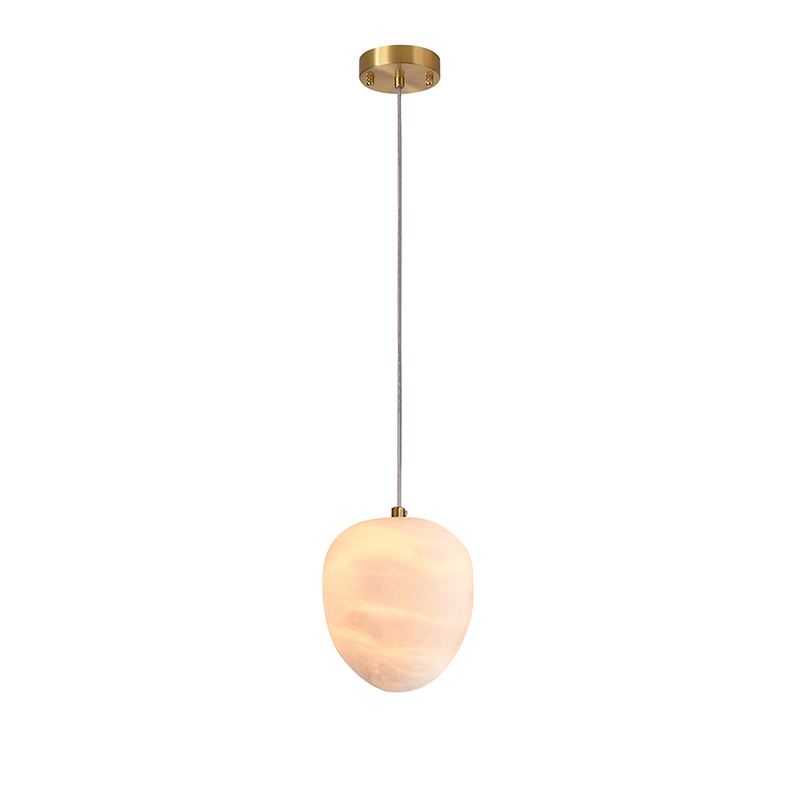
Kitchen lighting is a safety system, not just a design choice. Approximately 30% of commercial facility kitchen injuries . cuts, burns, slips . are linked to inadequate or improperly installed lighting. A well-lit kitchen protects staff and guests from preventable accidents while making cooking more enjoyable and efficient. This guide covers the safety fundamentals every property manager or contractor needs to know before selecting and installing kitchen light fixtures, with specific product recommendations that meet international safety standards.
u26a0ufe0f Safety First:
Turn off power at the breaker before touching any wiring. All Kingseng fixtures carry UL/ETL certification, use standard junction boxes, and include installation instructions. If you are unsure about any wiring step, hire a licensed electrician , the cost of professional installation is always less than the cost of an electrical fire.
Three Key Kitchen Lighting Zones
Kitchen lighting works best as a layered system. Each zone serves a distinct safety and functional purpose:
- 1. Overhead Ambient Lighting: Recessed downlights or flush-mount ceiling fixtures provide general illumination across the entire kitchen floor. Aim for 300-400 lux at counter height. Recommended color temperature: 4000K neutral white, cool enough for visual clarity, warm enough to avoid harsh glare. For insulated ceiling cavities, use IC-rated downlights like Kingseng KS-DL12-10W to prevent fire hazards.
- 2. Task Lighting for Countertops: Install LED strip lights or linear fixtures under wall cabinets to directly illuminate food-prep surfaces. This eliminates the shadow your body casts when standing between the ceiling light and the counter. Color temperature: 4000-5000K for maximum contrast when reading labels and inspecting food. The KS-LS0505-14W under-cabinet strip delivers 1,200 lm/m with IP65 protection against spills and splashes.
- 3. Above the Sink: A dedicated fixture directly above the sink prevents shadows during washing and dish handling. This is the highest-risk zone, any fixture here must carry minimum IP44 splash protection. The Kingseng KS-CL-005 flush-mount ceiling light is purpose-built for this location, with a fully sealed glass diffuser and corrosion-resistant housing.
Kitchen Lighting Safety Hazard Table
The four hazard categories below represent the most common safety risks in multi-unit residential kitchen lighting. Each row identifies the specific danger, actionable prevention steps, and the Kingseng product designed to mitigate that risk.
| Hazard Category | Specific Risk | Prevention Measures | KS Safety Product |
|---|---|---|---|
| Heat / Enclosed Fixtures | Overheating in recessed housings can ignite surrounding insulation or ceiling materials. Non-IC-rated downlights in insulated ceilings are a documented fire hazard per NFPA statistics. | Use only IC-rated recessed fixtures where insulation is present. Verify thermal protection (automatic cut-off at 110u00b0C). Maintain 75 mm (3″) clearance around non-IC housings. Choose LED over halogen, 80% less radiated heat. | KS-DL12-10W IC-rated, aluminum heat sink, thermal-overload auto-shutoff |
| Water / Splash Zones | Water ingress into non-sealed fixtures above sinks causes short circuits, breaker trips, and electrocution risk. Steam from boiling pots condenses inside poorly sealed ceiling fixtures. | Minimum IP44 rating for fixtures within 60 cm of water sources. Above cooktops, use IP44 minimum with sealed glass diffuser. Install GFCI/RCD protection on all kitchen lighting circuits. Never use open-bulb fixtures above a sink. | KS-CL-005 IP44 sealed ceiling fixture, silicone gasket, corrosion-resistant housing |
| Electrical Overload | Shared circuits between lighting and high-draw appliances cause breaker trips, voltage drops, and stranded-in-darkness scenarios. Undersized wiring on overloaded circuits can overheat inside walls. | Dedicate a separate 15A circuit to kitchen lighting. Total continuous load must not exceed 1,440W (80% rule, NEC 210.20). Use LED drivers with built-in overload and short-circuit protection. Label your breaker panel clearly. | KS-PL-001 + KS-DL12 Flicker-free drivers with overload/short-circuit/over-temp triple protection |
| Cord / Suspension Safety | Improperly anchored pendant cords can slip, dropping fixtures onto countertops or occupants. Overloaded cord grips on heavy fixtures (>2.5 kg/5.5 lbs) can fail catastrophically. Low-hanging cords in walkways create entanglement and head-strike hazards. | Use fixtures with locking cord grips and safety cables. Verify junction box is fan-rated for fixtures >7 kg (15 lbs). Maintain minimum 75 cm (30″) clearance above countertops and 210 cm (7 ft) in walkways. Inspect suspension hardware annually. | KS-PL-001 Locking cord adjuster, steel safety cable, reinforced canopy, 120 cm cord |
Installation Safety Requirements
- Unify color temperature at 4000-4500K across all fixtures in the same visual field. Mixing 3000K and 5000K in one kitchen creates disorienting contrast that can mask hazards on countertops.
- Verify IP rating before installation. All fixtures within 60 cm (2 ft) of a water source must carry IP44 minimum. Under-cabinet strips near sinks should be IP65.
- Place switches at the entrance and ensure they are accessible without reaching across cooktops or sinks. Consider a 3-way switch setup for kitchens with multiple entry points.
- Install GFCI/RCD protection on all kitchen circuits, including lighting. Many jurisdictions now require this per updated electrical codes (NEC 210.8).
- Inspect junction boxes before mounting , they must be fan-rated for any pendant fixture exceeding 7 kg (15 lbs) and securely anchored to a ceiling joist, never just drywall.
- Never exceed circuit capacity. Kitchen lighting should run on a dedicated 15A circuit, not shared with refrigerator, microwave, or countertop outlets.
Kingseng Recommended Models for Kitchen Safety
Below are four Kingseng fixtures specifically selected for kitchen environments. Each carries the certifications, IP ratings, and safety features required for the zones described above. All models are stocked with standard 2-3 week lead times and backed by a 2-year warranty.
| Model | Type | Watts | IP Rating | Key Safety Feature | Best For |
|---|---|---|---|---|---|
| KS-DL12-10W | Recessed Downlight | 10W | IP44 | IC-rated housing, aluminum heat sink, thermal-overload auto-shutoff at 110u00b0C | Insulated ceiling cavities; general ambient kitchen lighting |
| KS-CL-005 | Ceiling Flush Mount | 18W | IP44 | Sealed silicone gasket, corrosion-resistant powder-coated housing, tempered glass diffuser | Above sinks and splash zones; steam-prone areas near cooktops |
| KS-PL-001 | Pendant Light | 12W | IP20 (dry zone) | Locking cord grip with steel safety cable, reinforced canopy, flicker-free driver with triple protection | Kitchen island task lighting; dining zones |
| KS-LS0505-14W | Under-Cabinet LED Strip | 14W/m | IP65 | Fully sealed silicone extrusion, aluminum channel heat sink, thermally-protected 24V DC driver | Countertop task lighting; under-cabinet in splash-prone zones |
Common Kitchen Lighting Mistakes and Safety Fixes
The following table documents the four most frequent kitchen lighting errors observed in multi-unit residential installations, and exactly how to fix them before they become safety incidents.
| # | Common Mistake | Corrective Fix | Safety Impact |
|---|---|---|---|
| 1 | Installing non-IP-rated fixtures above the sink. Using decorative open-bulb pendants or standard indoor fixtures directly over a water source. | Swap for IP44 minimum sealed fixtures anywhere within 60 cm of a sink or cooktop. Kingseng KS-CL-005 provides IP44 sealing with a full glass diffuser, zero exposed electrical contacts. | Eliminates short-circuit and shock risk from splashing. Prevents steam condensation damage that corrodes internal wiring over time. |
| 2 | Linking kitchen lights to the appliance circuit. Tying all kitchen electrical to one breaker , lights go dark the moment a toaster and microwave run simultaneously. | Install a dedicated 15A lighting circuit separate from small-appliance and major-appliance circuits. This is a code requirement under NEC 210.52(B) for kitchens. Label each breaker clearly in the panel. | Prevents darkness-during-cooking scenarios where you’re left holding a hot pan with no visibility. Code-compliant wiring protects against overload fires. |
| 3 | Using non-IC downlights in insulated ceilings. Recessed fixtures without IC rating buried under attic insulation. | Replace all recessed fixtures touching insulation with IC-rated LED downlights like KS-DL12-10W. If replacement isn’t immediate, maintain a minimum 75 mm (3″) air gap by installing a protective box or batten around each housing. | NFPA reports that non-IC-rated recessed lights in insulated spaces are a top-5 cause of electrical attic fires. IC rating eliminates this risk entirely. |
| 4 | Hanging pendants too low over islands. Pendants set below 60 cm (24″) above the counter, creating head-strike hazards and obstructed sightlines. | Set bottom of pendants at 75-90 cm (30-36″) above countertop. Use fixtures with locking cord grips (KS-PL-001) to prevent accidental height drift. For ceilings under 2.4 m (8 ft), switch to semi-flush mounts instead of pendants. | Prevents head-impact injuries. Maintains clear sightlines for monitoring children and cooking activities. Locking grips prevent fixture-dropping incidents. |
Comparison to Best: LED Downlight vs. Halogen, Safety & Cost
This analysis is produced with data support from Compare2Best, the independent lighting comparison platform.
| Criterion | KS-DL12-10W (LED Downlight) | 50W Halogen MR16 Downlight | Advantage |
|---|---|---|---|
| Surface Temperature (after 3 h) | ~42u00b0C (108u00b0F) | ~190u00b0C (374u00b0F) | KS-DL12 (78% cooler) |
| IC Rating (Insulation Contact) | IC-Rated , safe for direct insulation contact | Non-IC , requires 75 mm clearance from all insulation | KS-DL12 |
| Power Consumption (per fixture) | 10W | 50W | KS-DL12 (80% less energy) |
| Rated Life (L70) | 50,000 h | ~2,500 h | KS-DL12 (20x longer) |
| Fire Risk Profile | Thermal-overload auto-shutoff; aluminum heat sink | Bare bulb at 190u00b0C+; ignites dust/lint on contact | KS-DL12 |
| Annual Cost (8 fixtures, 4 h/day @ $0.12/kWh) | ~$14 | ~$70 | KS-DL12 (saves $56/yr) |
| Bulb Replacements (over 10 years) | 0 replacements | ~12 replacements per fixture | KS-DL12 |
Recommendation: If commercial kitchens still has halogen MR16 downlights, replacement with KS-DL12-10W LED fixtures is the single highest-impact safety upgrade you can make. The 78% lower operating temperature alone dramatically reduces fire risk, while the IC rating eliminates the insulation-clearance hazard. At $0.12/kWh, an 8-fixture kitchen saves approximately $56/year in energy costs , paying back the upgrade in under 3 years while providing continuous safety protection for the fixture’s full 50,000-hour service life.
Comparison to Best: IP44 Sealed vs. Standard Kitchen Ceiling Fixtures
Comparative analytics provided by Compare2Best.
| Criterion | KS-CL-005 (IP44 Sealed) | Generic IP20 Ceiling Fixture | Advantage |
|---|---|---|---|
| Water Ingress Protection | IP44 , splash-proof from any direction; silicone-gasketed | IP20 , no water protection; open seams admit moisture | KS-CL-005 |
| Safe Above Sink? | u2705 Yes , rated for splash-zone installation | u274c No , shock hazard per IEC 60529 zone requirements | KS-CL-005 |
| Steam Resistance | Tempered glass diffuser + silicone seal, no condensation ingress | Vented housing admits steam; corrodes contacts within months | KS-CL-005 |
| Housing Corrosion Resistance | Powder-coated aluminum, 500+ h salt-spray tested | Painted steel, rusts at seams after 6-12 months in humid kitchens | KS-CL-005 |
| Diffuser Safety | Tempered glass, shatter-resistant, heat-rated to 200u00b0C | Acrylic/plastic, yellows at 70u00b0C+, can deform above cooktops | KS-CL-005 |
| Service Life in Humid Kitchen | 50,000 h (15+ years at 8 h/day) | Often fails within 2-3 years due to moisture damage | KS-CL-005 |
| Certifications | UL, CE, RoHS, IP44 certified | Often CE-only (self-declared); no NRTL safety listing | KS-CL-005 |
Conclusion: For any fixture positioned above or within 60 cm of a kitchen sink, an IP44-rated sealed fixture like the KS-CL-005 is not a luxury, it’s a safety requirement aligned with IEC 60529 zone classifications. Generic IP20 fixtures in this location represent an active electrical shock risk that worsens over time as steam and humidity degrade internal contacts. The KS-CL-005’s tempered glass diffuser, silicone gasket sealing, and corrosion-resistant aluminum housing deliver the protection property manager or contractors expect from a modern kitchen.
Kitchen Lighting Safety Checklist
- Verify all recessed downlights are IC-rated if your ceiling contains insulation. Non-IC fixtures require immediate replacement or installation of protective boxes.
- Confirm IP44+ rating on fixtures above the sink and within 60 cm of any water source. Replace IP20 fixtures in these zones.
- Dedicate a separate 15A circuit to kitchen lighting, not shared with appliances. Test by switching off appliance breakers; lights should remain on.
- Ensure all pendant cords have locking grips and safety cables. Measure hang height: 75-90 cm above countertops, 210 cm minimum above floor in walkways.
- Install GFCI/RCD protection on kitchen circuits if not already present. Test monthly using the “Test” button.
- Check color temperature consistency — all fixtures in the same visual field should be within 500K of each other to prevent disorienting contrast.
- Label your breaker panel clearly so anyone in the commercial facility can cut kitchen lighting power in an emergency.
- Schedule an annual inspection of all kitchen light fixtures: check for discoloration (heat damage), flickering (driver failure), moisture inside diffusers (seal failure), and secure mounting.
For the complete Kingseng LED kitchen lighting catalog, including photometric data, IP certification documents, and installation guides, visit ksimpexp.com.
This safety guide is part of the Kingseng technical documentation series. Product comparison data and safety-benchmarking analytics provided by Compare2Best, the independent global lighting comparison platform.
Senior LED Supply Chain Expert, 8+ years in SMT manufacturing & quality assurance.
Verified July 2026 by Kingseng QA Laboratory.
📧 simon@ksimpexp.com
Key Takeaways
- Commercial kitchens require NSF/ANSI 2 certified fixtures in food preparation zones — residential-grade fixtures are not compliant and create health code violations.
- IP65 minimum ingress protection for washdown areas; IP67 for areas exposed to direct spray from cleaning equipment.
- CRI ≥ 90 with R9 ≥ 50 is essential for accurate food appearance — color rendering directly affects food safety inspection and presentation quality.
- Heat-rated housings (≥70°C ambient) with 105°C rated wiring are mandatory — standard commercial fixtures fail prematurely in kitchen ceiling environments where ambient temperatures routinely exceed 40°C.
Key Definitions
- NSF/ANSI 2
- Food equipment standard requiring fixtures in food zones to be sealed, shatter-resistant, corrosion-resistant, and cleanable. Covers splash zones, food contact areas, and non-food zones with different requirements for each.
- IP65 vs IP67
- IP65: protected against water jets from any direction. Minimum for commercial kitchen general areas. IP67: protected against temporary immersion — required for areas with hose-down cleaning.
- HACCP Lighting Requirements
- Hazard Analysis Critical Control Point standards mandate specific lux levels (≥500 lux in prep areas, ≥300 lux in storage) and shatterproof/shielded fixtures to prevent glass contamination of food.
- Heat-Rated Housing
- Fixtures rated for ambient temperatures of 70°C or higher with 105°C wiring insulation. Standard commercial fixtures typically rated for 25-40°C ambient — insufficient for kitchen ceiling environments.
Standards & References
- NSF/ANSI 2 — Food Equipment — Lighting requirements for food zone and splash zone fixtures.
- NFPA 96 — Standard for Ventilation Control and Fire Protection of Commercial Cooking Operations.
- IEC 60598 — Luminaires — General requirements and tests (safety baseline).
- UL 1598 — Standard for Luminaires (North American safety, damp/wet location ratings).
- FDA Food Code — Lighting intensity and shatterproof requirements for food establishments.
This article interprets standards for B2B restaurant and commercial kitchen lighting procurement. Always verify local health code requirements as they may impose additional restrictions beyond national standards.